
When most people think of politics, they think of presidential debates, cable news chyrons, and federal races that draw millions of voters to the polls. But if you want to know who determines what gets built across the street, how quickly an ambulance reaches your front door, or whether your neighborhood park has working lights, look closer to home: look at your city council.
In municipal elections across the country, voter turnout is notoriously low, routinely hovering between 15% and 25%. That creates a startling reality, a margin of just a few hundred votes routinely decides who holds the levers of your community’s daily life.
Here is why local council seats pack far more punch per vote than almost any other ballot line, and why ignoring them leaves your immediate surroundings entirely up to someone else.
Zoning Dictates the Character and Cost of Your Block
City councils and municipal planning commissions hold near-total authority over land-use regulations. They decide:
- Whether an empty lot becomes an apartment complex, a community garden, or a strip mall.
- Parking minimums, building height caps, and short-term rental rules.
- Which neighborhoods receive street trees, sidewalks, and traffic-calming measures.
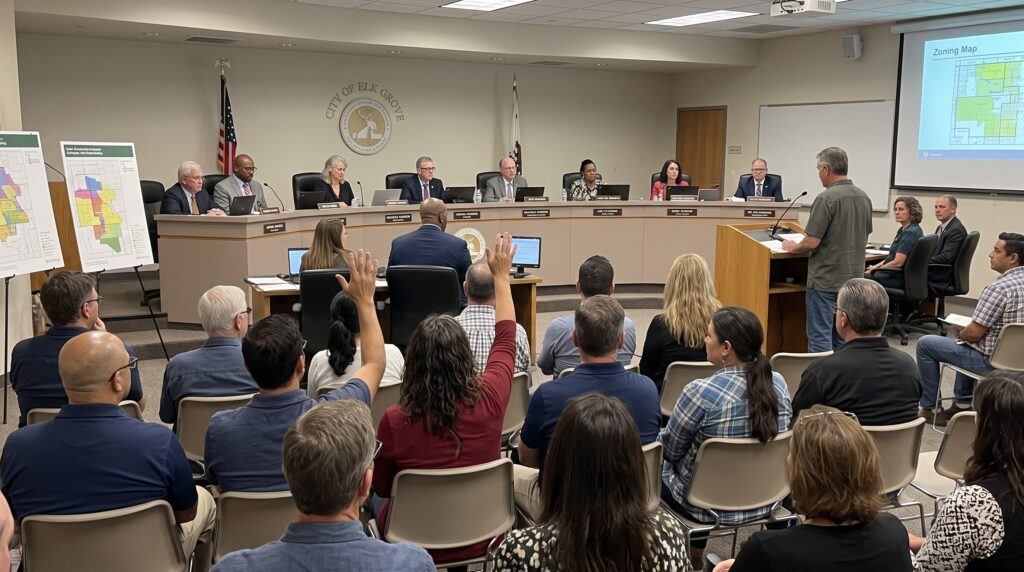
If you have ever wondered why housing is scarce, traffic is bottlenecked, or a beloved neighborhood landmark was razed, those choices were almost certainly made in a quiet Tuesday evening council meeting by people elected by a sliver of the population.
Public Safety Budgets Are Set at City Hall
National debates around policing, fire protection, and emergency services play out on national television, but the actual balance sheets are written locally.
Your city council decides:
- How many officers, firefighters, and paramedics are funded.
- Funding for mental health crisis teams and alternative response programs.
- Equipment upgrades, station locations, and emergency response infrastructure.
When you cast a ballot for a council member, you are directly shaping the specific services that protect your household.
Parks, Roads, and Basic Infrastructure
Local public spaces directly affect quality of life and property values:
- Park maintenance, playground upgrades, and recreation programs.
- Pothole repair schedules, bike lane installations, and crosswalk safety.
- Water utility rates, stormwater drainage, and trash collection contracts.
A neglected neighborhood park or an unsafe school crosswalk is rarely an issue of state or federal policy; it is a line item prioritized or ignored by local representatives.
The Arithmetic of Influence
Consider the math in a typical municipal district of 40,000 residents:
- Roughly 25,000 may be registered voters.
- In an off-cycle local election, only 4,000 to 5,000 people might show up.
- In a competitive multi-candidate race, a candidate often wins by 150 to 300 votes.
That means a single engaged apartment complex, an active PTA group, or a couple of dedicated neighborhood blocks can swing the entire outcome. Just as we explored how money and special interests concentrate influence in tracking lobbying dollars back to legislation, low turnout in city politics creates a vacuum where a tiny organized faction holds outsized power over public life.
When civic participation drops, it creates the same structural blind spots we analyzed in systemic institutional accountability breakdowns: the majority provides the value and pays the taxes, while decisions are made by an insulated few.
What You Can Do
- Find your district: Look up your city’s council map to see which district you live in and who currently holds the seat.
- Watch a meeting: Most city councils stream their meetings online or upload archived agendas. Seeing the decisions in real time reveals just how personal local government is.
- Check the calendar: Local elections often happen on off-cycle schedules (spring primaries, odd-numbered years) specifically designed around municipal calendars. Mark your local election day so a couple hundred votes don’t decide your block for you.
Have Your Say
Have you ever looked up the margins in your city council’s last election, or attended a public zoning meeting? What’s the biggest local issue on your street right now?
Leave a comment below and share your thoughts!