True independence means negotiating with everyone on your own terms, and smaller nations are finally holding the bargaining chips.
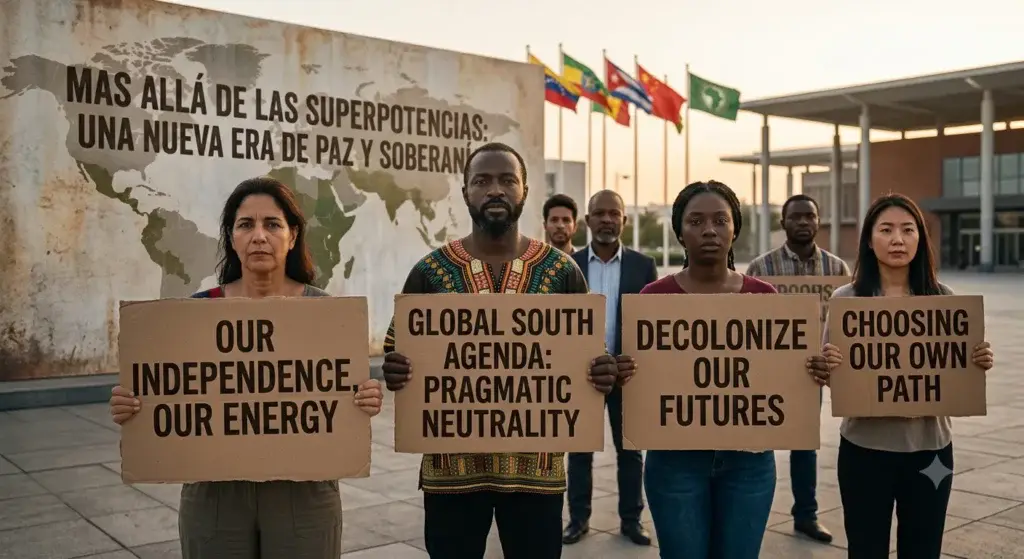
The modern world is frequently depicted as a high stakes chessboard where a few massive superpowers vie for ultimate dominance.
But the defining story of 2026 is not being written in the corridors of power in Washington, Beijing, or Moscow.
Instead, the real geopolitical revolution is unfolding across the Global South, and it is shifting the balance of global influence in ways that the old guard can no longer ignore.
A massive structural shift is underway across the Global South as developing nations refuse to act as passive pawns in superpower rivalries.
This bold movement is rapidly redefining the global balance of power in 2026. It is known as Active Non Alignment.
This strategy represents a conscious choice by leaders to pursue radical self reliance and chart their own sovereign paths on their own terms.
We see this change from the bustling halls of the African Economic Conference in Abidjan to the blackout ridden streets of Havana.
Developing nations are refusing to pick sides in superpower conflicts. Instead, they are choosing self reliance and charting their own paths.
The Strategy of the Pragmatic Neutral
During the Cold War, the global order forced a binary choice upon smaller nations. Today, developing countries are rejecting this outdated framework.
They prefer a more calculated approach. True independence means having the freedom to negotiate with everyone.
These nations are guided strictly by what benefits their own citizens. They do not care about the ideological preferences of foreign capitals.
African leaders recently emphasized this point at global summits. Developing regions are no longer content being treated as mere reservoirs of raw materials.
Instead, they are actively leveraging their vast natural wealth. This includes the critical minerals essential for the global green energy transition.
These resources give them unprecedented bargaining power. By holding the keys to the future economy, they are becoming strategic dealmakers. They can now demand mutual respect.
The Cuban Case Study: Forced Self Reliance and Pragmatic Alliances
There is no starker or more urgent example of this push for self reliance than Cuba.
A crushing energy blockade has severely choked off traditional oil imports this year. The aging power grid has suffered catastrophic, island-wide collapses.
Faced with an existential crisis, Cuba had to innovate out of pure survival instinct. This desperate situation sparked a rapid solar revolution.
They refused to bow to Western economic demands. Instead, they leaned into a highly pragmatic partnership with China to secure their energy future.
China is financing and supplying over 1,000 megawatts of advanced solar equipment.
Cuba is securing this technology by leveraging its rich deposits of nickel. This nickel is a crucial component in modern battery manufacturing.
A Patchwork Future
The future of global politics is no longer a rigid, two sided chess match. It has become a dynamic, fluid patchwork of flexible regional partnerships.
A modern non aligned nation does not pledge permanent allegiance to any single power:
- It might choose China for physical infrastructure.
- It might choose Europe for digital trade frameworks.
- It might choose regional neighbors for economic resilience.
The message from the Global South in 2026 is loud and clear. The era of blind allegiance to a single superpower is officially over.
The road to self reliance is still filled with steep economic challenges. We want to hear from you.
Do you believe practical partnerships like the China Cuba solar alliance represent the future of global trade?
Are they just temporary fixes to deeper structural crises? Join the conversation in the comments section. Subscribe today so you never miss an update.